
























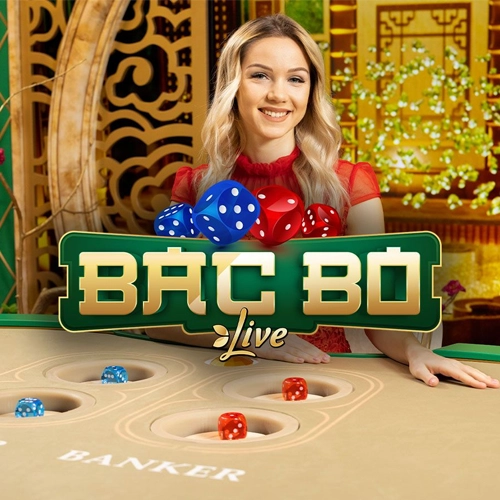

















Sugar Rush offers live dealer games as a distinct category within its platform, providing real-time table experiences streamed from dedicated studio environments. These studios operate under standardised procedures, ensuring that each session follows predefined rules regarding card dealing, wheel spins, and bet settlement. The live games are subject to compliance checks aligned with the operational regulations set by the United Kingdom Gambling Commission. Availability of specific game variants and studio tables depends on the licensing agreements held by content providers and may be adjusted based on regional requirements. All sessions are recorded for audit purposes and utilise recognised random number generation or physical equipment calibration where applicable. The platform does not alter game outcomes or offer preferential treatment to any player.
Live Game Categories and Studio Formats
The live dealer section on Sugar Rush is organised into several established category types. Roulette tables typically feature a single-zero European wheel or a double-zero American variant, streamed from studios with multiple camera angles capturing the wheel spin and ball drop. Blackjack tables follow standard British rules, with dealers using six- or eight-deck shoes and automated card shufflers. Baccarat is offered in both punto banco and squeeze formats, the latter employing slower card reveal procedures to increase session duration. Game-show format tables, such as those based on wheel-of-fortune mechanics or number-drawing concepts, are also present; these utilise elaborate studio sets with physical props and augmented reality overlays. Each studio is configured with fixed camera positions to minimise operator intervention during play. Tables operate with a designated betting timer, and the dealer announces when betting is closed. The general gameplay principle is consistent: players place chips on a digital interface, the dealer executes the physical action, and settlement occurs automatically via the platform’s backend.
Technology, Streaming and Interface
Live game streams are delivered over standard internet protocols, typically using H.264 or H.265 encoding at resolutions up to 1080p at 30 or 60 frames per second. The platform employs adaptive bitrate streaming, which adjusts video quality based on the user’s current connection speed. Minimum recommended network download speed is 5 Mbps for standard definition and 10 Mbps for high definition. The interface is rendered via HTML5 and is compatible with desktop browsers, tablets, and mobile handsets running modern operating systems. Input mechanics rely on a drag-and-drop chip placement system for wagers, alongside preset betting buttons for fixed amounts. The interface displays the current balance, bet history, and a live feed of the dealer’s table. Network latency is measured in milliseconds, and the provider implements a standardised grace period after the betting window closes to accommodate delayed packets. Connection stability is monitored client-side, and the system may disconnect a session if the data rate drops below a threshold for more than five seconds. Reconnection logic attempts to restore the stream without losing the active hand or spin.
Dealer Roles and Gameplay Rules
Dealers employed in the live environment are responsible for executing the physical game actions, such as spinning the roulette wheel, dealing cards, and paying or collecting chips. Each dealer follows a scripted protocol provided by the game operator, with no discretion to alter standard rules. Game pacing is controlled by a central timer; the dealer does not adjust the speed based on table activity. Card handling follows a specific cut and shuffle procedure: the shoe is shuffled automatically or manually at defined intervals, and the cut card is inserted after a set number of rounds. Outcomes are generated either by physical equipment - such as a calibrated roulette wheel or a mechanical card shoe - or by a certified random number generator embedded in the studio’s control system. All results are recorded and available for regulatory audit. Fairness controls include a card rotation system to prevent pattern recognition, wheel balancing checks, and real-time monitoring of dealer movements. The platform does not permit dealers to pause or stop a round outside of pre-defined emergency procedures.
Table Limits, Availability and Regional Constraints
Minimum and maximum stakes for each live table are determined by the provider and can vary significantly. A typical European roulette table on the Sugar Rush platform may have a minimum bet of £1 and a maximum bet of £5,000 on inside wagers, whereas blackjack tables often set minimums between £5 and £25 depending on the variant. Baccarat tables may offer limits up to £10,000 per hand. During peak evening hours, the number of open tables per category may increase to accommodate higher demand; the platform displays the current active table count in the lobby interface. Availability of specific tables is subject to provider-based restrictions. For example, certain high-limit variants may only be accessible to players with a verified account of six months or longer. Regional constraints for the United Kingdom include a default list of restricted territories that apply to all providers; tables from operators not licensed by the UK Gambling Commission are not displayed. The system automatically hides tables that exceed the player’s current withdrawal or deposit thresholds. Table limits are not adjustable by the player and are reviewed periodically by the provider.